
Pandox completed the legal separation of Dalata and the sale of its hotel operating business to Scandic on 2 November. The price is based on an underlying enterprise value of €500 million; final cash consideration remains subject to cash, debt and working-capital adjustments.
Pandox says the proceeds were used in full to repay DNB financing associated with the operating business. A further €665 million of acquisition financing remains, which it intends to refinance. The operating-business consideration is not a price paid for the hotel properties retained by Pandox.
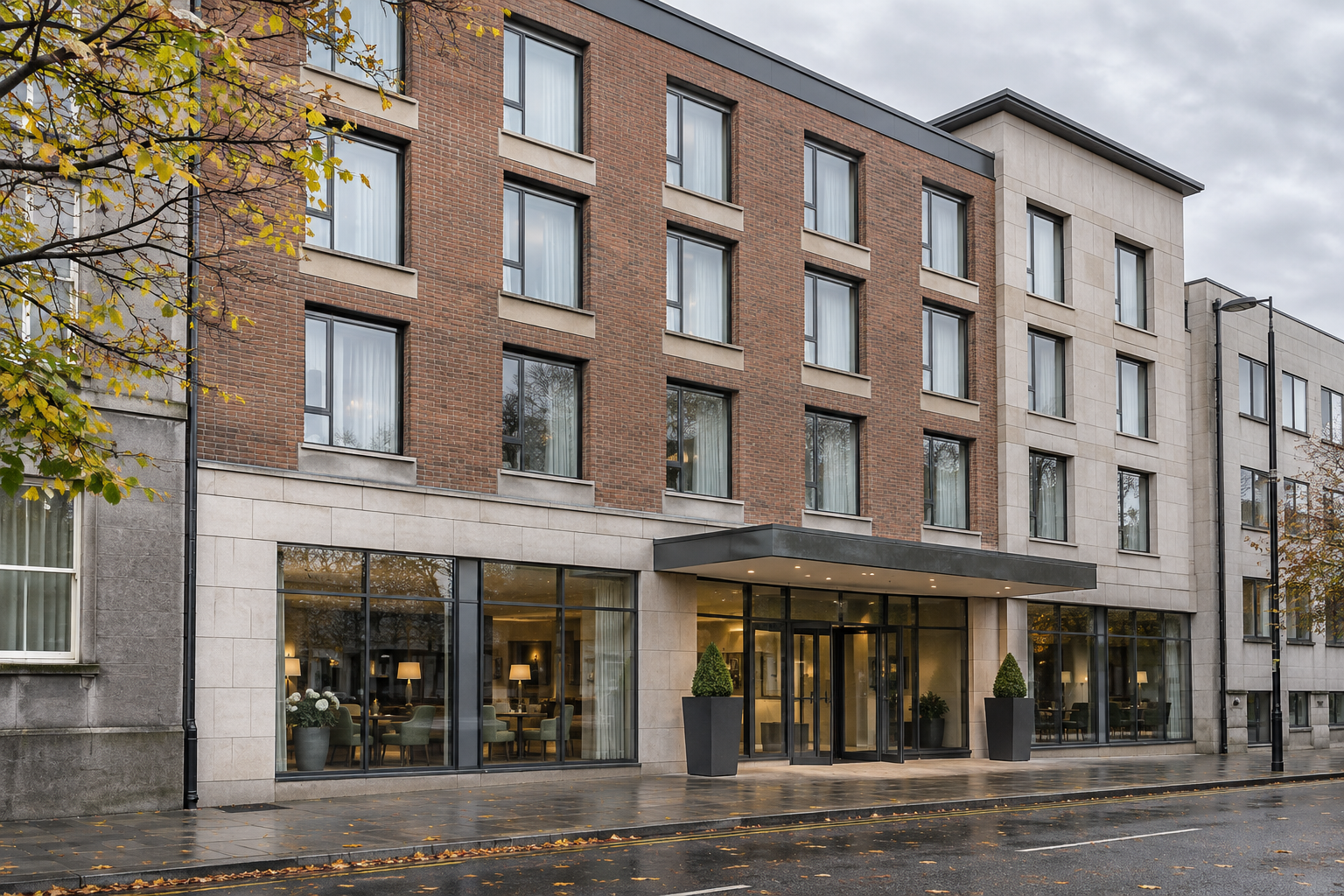
Pandox retains 32 hotels in Ireland and the United Kingdom. These are let to Scandic on new 30-year revenue-based leases with minimum guaranteed rent levels. The arrangement leaves Pandox as property owner and Scandic as operating-business owner and tenant.
RAFT Analysis
Pandox’s Dalata separation leaves it with hotel property income and Scandic as tenant, while the operating-business sale helps repay acquisition funding. The minimum-rent and revenue-linked structure places it between fixed property income and hotel trading.
CBRE’s 11 November 2026 Irish Hotel Market report put Dublin occupancy at 84.7% for the year to September, broadly unchanged, and average daily room rate at €177.79, up 1.3%. Irish consumer-price inflation was 3.3% over the same nine months. Dublin trading provides relevant local context for the Irish part of the retained portfolio and the revenue component of the new leases. Dublin is one city in a wider UK-Ireland portfolio; consumer inflation is a broad cost backdrop. Dublin’s high occupancy but modest room-rate growth makes the minimum-rent component more significant than a straightforward top-line growth story. Rates growing below consumer-price inflation also point to a trading environment with less room for rising costs than the occupancy figure alone suggests.
Sources
- Pandox · Completed Dalata operations disposal and retained hotel property leases · November 2026
- CBRE · Irish Hotel Market 2026 · November 2026